धरोहर की खोज




This story chronicles the epic mythological tale of a young boy's unwavering devotion to Lord Vishnu in the face of severe tyranny. Born to the nearly invincible Asura King Hiranyakashipu, who conquered the heavens and demanded to be worshipped as the supreme ruler of the universe, Prahlad faced numerous deadly trials for his faith. The narrative details his miraculous survival through fire, poison, and beasts, culminating in the dramatic appearance of Lord Narasimha—a half-man, half-lion avatar. Lord Narasimha restores cosmic balance by vanquishing the demon king, proving the ultimate power of pure devotion.

The Digital Rupee Revolution: Will India Completely Forget Cash by 2026?

Every day, the average person takes thousands of breaths without questioning the exact composition of the air. However, global air quality has become a severe public health crisis that directly alters how we live. The Air Quality Index (AQI) serves as a critical yardstick for measuring this invisible threat. Understanding this index is essential for navigating the environmental realities of modern life.

In our country India, where the education policy is said to be very good, but what is the reality? There is no need for me to tell you this, but we would still like to shed light on a few things.

Today, we are all celebrating the festival of independence with great joy; the tricolor has been hoisted in every home.

बारहवीं पास करने के बाद अर्जुन शर्मा अपने छोटे से शहर को पीछे छोड़कर एक नए और अनजान शहर में कदम रखता है—उम्मीदों से भरा, पर अंदर कहीं डर की एक हल्की चुभन लिए हुए। यहाँ न कोई अपना चेहरा है, न कोई जानने वाला हाथ… बस तेज़ रफ़्तार ज़िंदगी, छिपी हुई परछाइयाँ और ऐसे मोड़, जिनका अंदाज़ा उसे कभी नहीं था। कहानी अर्जुन के उस सफ़र की है जहाँ खुशी की झिलमिल रोशनी भी है और अंधेरी गलियों का रहस्य भी। जहाँ दोस्ती मुस्कान देती है, और धोखे दिल की धड़कन रोक देते हैं। जहाँ सपने जगते हैं, पर ख़तरे उनके साथ-साथ चलते रहते हैं। थोड़ा साहस, थोड़ा डर… थोड़ी हँसी, थोड़ा सन्नाटा—और इनके बीच अर्जुन का हर कदम उसे एक नई सच्चाई, एक नई लड़ाई, और एक नई पहचान की ओर धकेलता जाता है। यह सिर्फ़ नया शहर नहीं—यह अर्जुन की आत्मा का इम्तिहान है। और यह संघर्ष… अनसुना था, लेकिन अब कहानी बन चुका है।

Today marks a special moment for KalpitWrites.in. We have officially reached 100 family members.

Across the Indian subcontinent and wherever Hindu culture thrives, there is one night in the year that is awaited with intense devotion and spiritual fervor. It is not a festival of lights like Diwali, nor a festival of colors like Holi. It is a festival of intensity, austerity, and profound awakening.
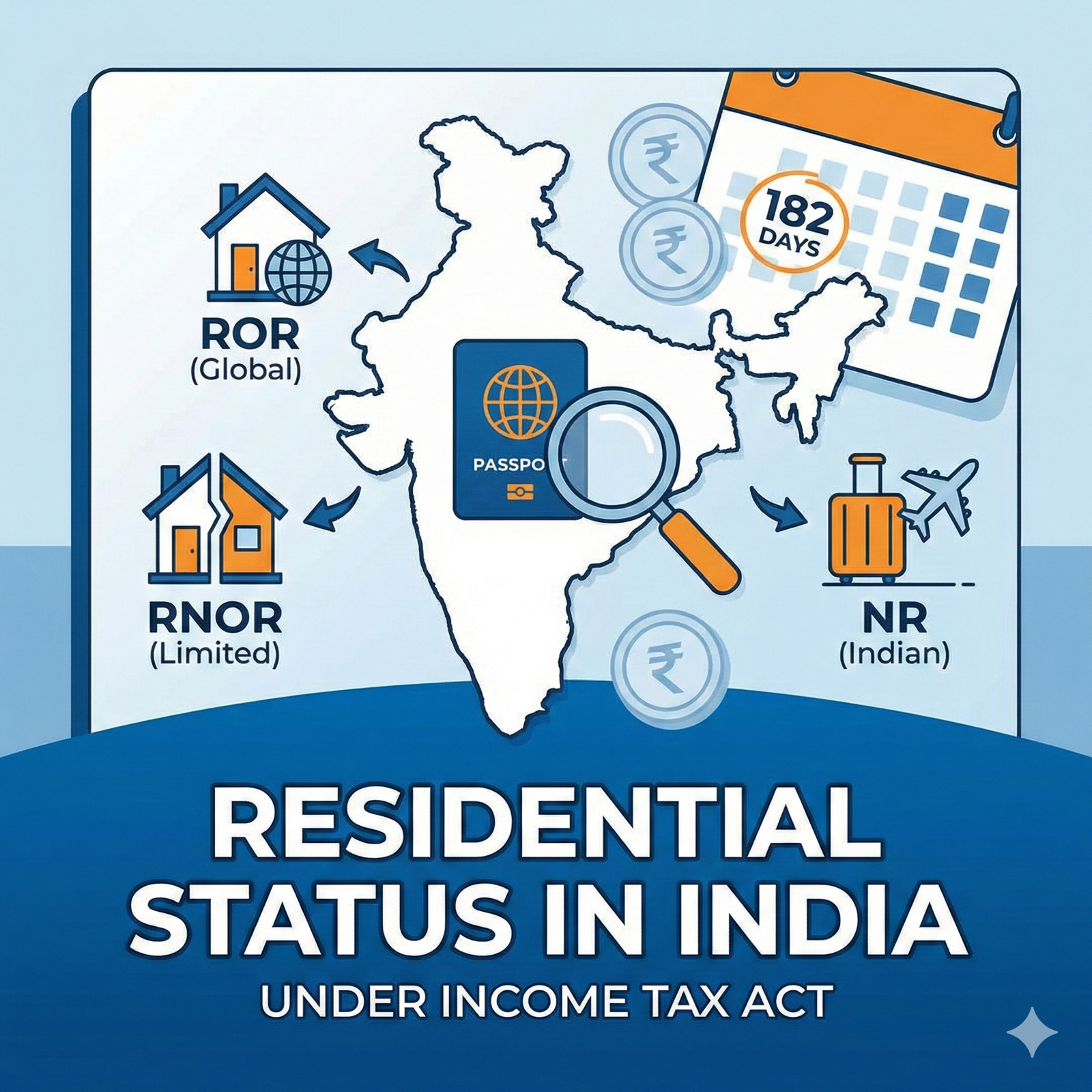
In India, income tax liability is not determined by citizenship but by residential status. An individual’s residential status must be determined afresh for every Financial Year (FY). The status for the FY 2025-26 will determine the taxability of income for the Assessment Year (AY) 2026-27.

Introduction For over six decades, the Income Tax Act of 1961 has been the backbone of India’s direct taxation—growing heavier, more complex, and more litigious with every passing year. Yesterday, the Finance Minister announced the effective date for its replacement: April 1, 2026.

In a historic move, Finance Minister Nirmala Sitharaman presented the Union Budget 2026-27 on a Sunday, marking her record-breaking ninth consecutive budget. With a clear focus on "Viksit Bharat" (Developed India), this year’s budget acts as a bridge between immediate economic stability and long-term structural reforms.
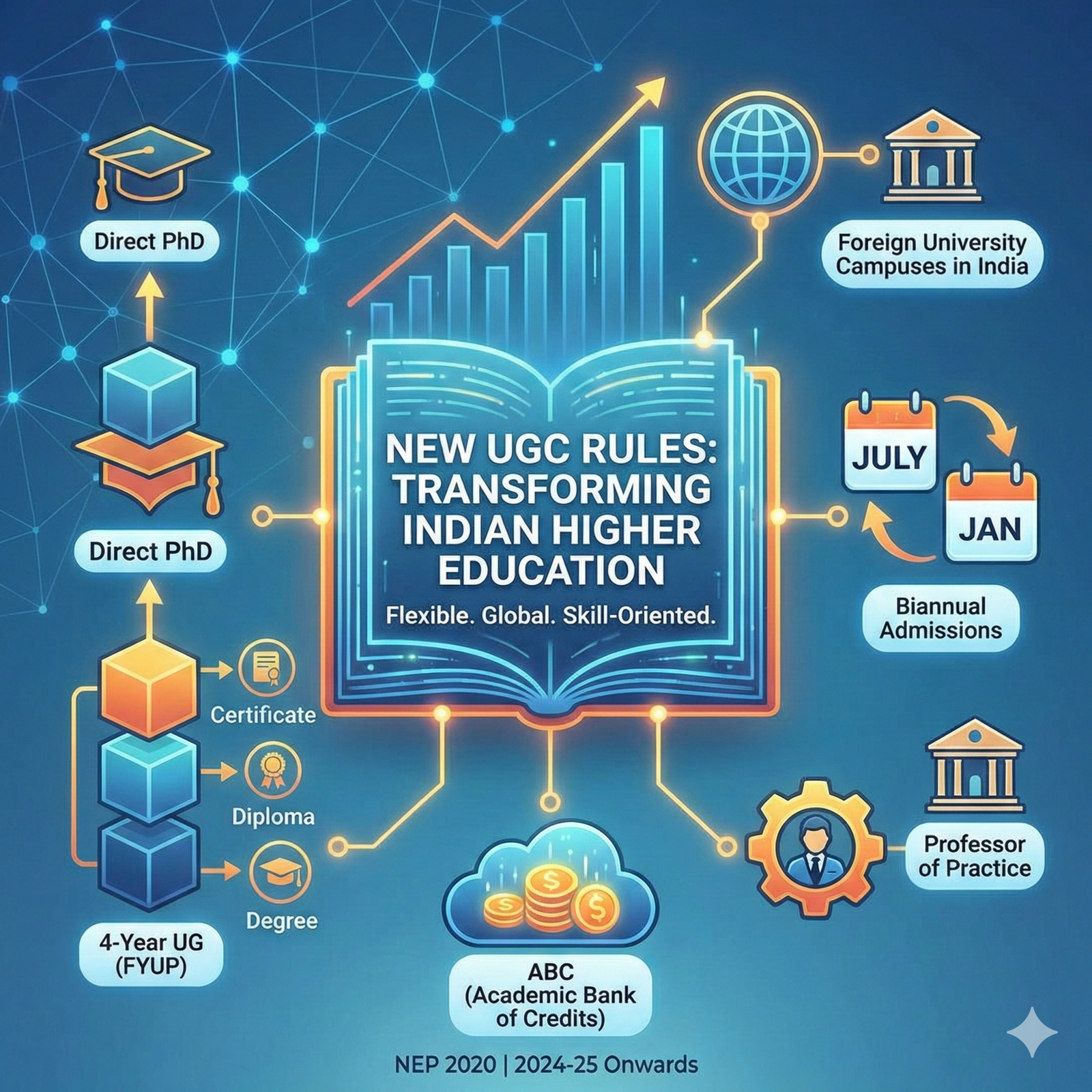
The landscape of Indian higher education is undergoing a seismic shift. Driven by the National Education Policy (NEP) 2020, the University Grants Commission (UGC) has rolled out a series of transformative rules for the 2024-2025 academic sessions and beyond.
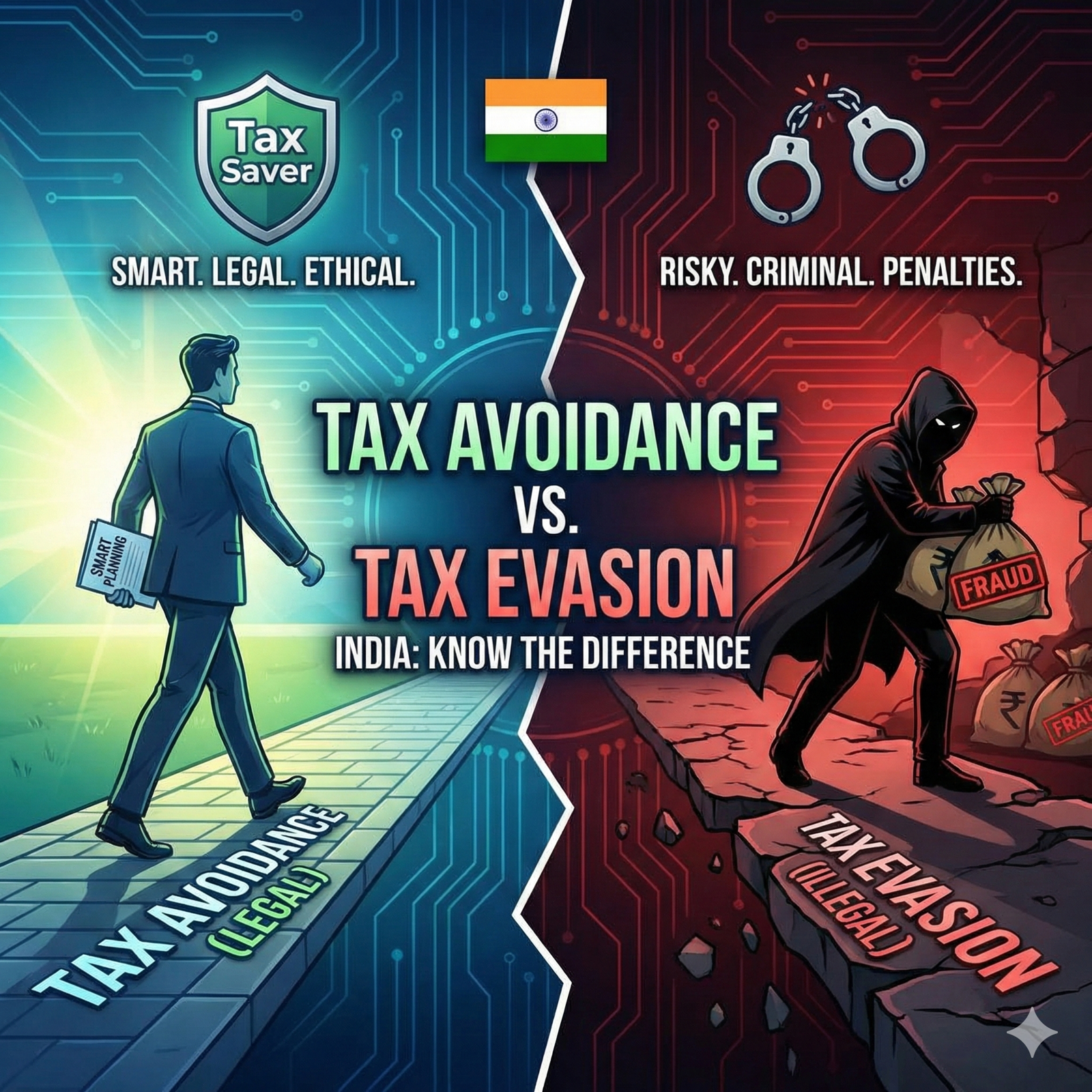
Let's face it, nobody likes paying taxes. Watching a chunk of your hard-earned money disappear can be painful. This natural reluctance often leads people to find ways to lower their tax bill. But there's a massive canyon of difference between smart financial planning and committing a crime.

Discover the significance of Basant Panchami in India. Learn about Saraswati Puja, the symbolism of the color yellow, and how this vibrant spring festival is celebrated with kites and traditions.

The enactment of Act No. 7 of 2025 and Act No. 15 of 2024 marks a decisive structural pivot in India’s direct tax architecture. This transition moves the needle from historical, subjective definitions toward a modernized, objective framework designed to align India with global financial powerhouses. Strategically, these amendments—particularly the aggressive extension of sunset clauses to March 31, 2030—are clear signals that India is positioning its International Financial Services Centres (IFSCs) to compete directly with established jurisdictions like Singapore and Dubai.

The Indian Income-tax Act, 1961, is a foundational, yet intricate, document governing the nation's direct tax regime. It has evolved significantly through numerous amendments to adapt to changing economic realities and to address avenues of tax avoidance. This analysis delves into a significant change introduced in 1987 that expanded the very definition of a "dividend," a term of critical importance for both corporate entities and their shareholders.


The Income-Tax Act, 1961, is not a static collection of rules but a sophisticated legislative engine designed for the precise calibration of fiscal liability. At its core lies Section 4 (Charge of Income-tax), the operational mandate that empowers the state to levy tax for any assessment year. This section functions as the Act’s primary gear, decreeing that tax shall be charged at rates prescribed by the annual Finance Act in respect of the "total income" of the previous year for every person. By deferring specific rate-setting to the Finance Act, the legislature ensures the Act remains a flexible instrument of economic policy.

The enactment of the Income-Tax Act, 1961, was a pivotal exercise in fiscal modernization, marking the definitive transition from a colonial-era framework to a unified code for the sovereign Republic of India.